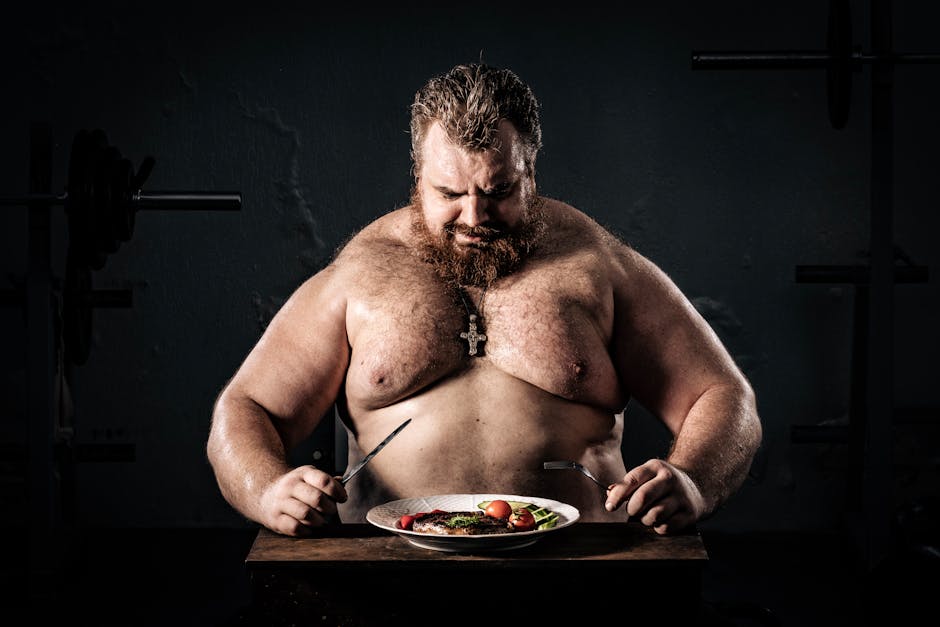
High Protein Diet for Muscle Building: The Science-Backed Blueprint
Stop wasting time with bro-science. If you’re serious about building muscle, the evidence is clear: protein intake is the non-negotiable foundation of hypertrophy. Research confirms that meat consumption and protein delivery assist in short-term hypertrophy through amino acid density and nutrient bioavailability. This isn’t theory—it’s physiology.
The question isn’t whether high protein works. It’s how to leverage it optimally for your specific goals. This guide breaks down the science and gives you actionable strategies to maximize muscle gains.
Why Protein is Non-Negotiable for Muscle Growth
Your muscles are made of protein. Period. When you train hard, you create micro-tears in muscle fibers. Your body repairs these tears using amino acids from dietary protein, building them back bigger and stronger—hypertrophy.
Studies on competitive natural bodybuilders demonstrate significant changes in body composition and muscle area through strategic nutritional protocols, with protein intake being the cornerstone variable.
Action Step: Target 0.8-1g of protein per pound of bodyweight daily. For a 200-lb lifter, that’s 160-200g daily. Non-negotiable.
Protein Quality: Animal vs. Plant Sources
Not all protein is created equal. Bioavailability matters. Animal proteins (beef, chicken, eggs, fish) contain complete amino acid profiles with optimal ratios of essential amino acids (EAAs), particularly leucine—the trigger for mTOR activation and muscle protein synthesis.
Meat is rich in amino acids and delivers vast amounts of bioavailable nutrients that directly assist hypertrophy. This isn’t carnivore propaganda—it’s biochemistry.
Action Step: Make animal proteins your primary source. 70-80% of daily protein should come from: beef, chicken breast, salmon, eggs, Greek yogurt. Fill gaps with whey protein isolate. Minimize plant-only protein reliance if hypertrophy is your goal.
Caloric Surplus: The Often-Missed Variable
High protein without calories is like running an engine without fuel. Research on high-calorie diets shows that adequate caloric intake supports metabolic function and muscle tissue storage. You need energy to build tissue.
The protein works harder when paired with sufficient carbohydrates and fats. Carbs fuel intense workouts and enhance protein synthesis. Fats support hormone production (testosterone, DHT) critical for muscle growth.
Action Step: Eat in a 300-500 calorie daily surplus. Calculate: (bodyweight × 15) + 300-500 additional calories. Example: 200-lb guy needs ~3,300-3,500 calories daily for muscle gain. Protein at 180g, carbs 400-450g, fats 90-110g.
Protein Timing and Frequency for Optimal Synthesis
While total daily protein matters most, distribution matters for maximizing muscle protein synthesis. Research supports spreading protein intake across 4-5 meals, with 30-40g per meal being optimal for triggering mTOR.
Post-workout nutrition deserves priority. Within 2 hours of training, consume 40g protein + 60-80g carbs to leverage the anabolic window when muscle protein synthesis is elevated and glucose uptake is enhanced.
Action Step: Structure meals like this:
- Breakfast: 40g protein (eggs, meat, whey)
- Mid-morning: 35g protein (Greek yogurt, chicken)
- Lunch: 45g protein (beef, salmon, turkey)
- Pre-workout: 20-30g fast protein (whey shake)
- Post-workout: 40g protein + carbs (shake + rice)
- Dinner: 45g protein (steak, chicken, fish)
Protein Strategy During Fat Loss Phases
Clinical research demonstrates that high protein intake is critical for preventing muscle mass loss during caloric restriction. During a cut, protein becomes even more crucial.
When calories drop, your body wants to shed muscle for energy. High protein protects muscle tissue by providing amino acids for repair while sparing lean mass as fuel is restricted elsewhere.
Action Step: During cuts, increase protein to 1.2g per pound of bodyweight. A 200-lb lifter needs 240g daily minimum. This is non-negotiable if you want to keep gains while losing fat.
Bottom Line
Building muscle isn’t complicated—it’s consistent execution of fundamentals:
- Eat high protein daily: 0.8-1g per pound bodyweight
- Prioritize animal sources: Superior amino acid profile and bioavailability
- Maintain caloric surplus: 300-500 above maintenance
- Distribute protein: 35-45g across 4-5 meals daily
- Train hard: Progressive overload in the gym 4-5x weekly
- Sleep 7-9 hours: Muscle growth happens in recovery
The science is settled. Competitive athletes using strategic high-protein protocols demonstrate measurable improvements in muscle area and body composition. This works. The question is: are you disciplined enough to execute?
Ready to Optimize Your Nutrition?
Stop guessing. Start measuring. Track your protein intake, calories, and training volume for the next 8 weeks. You’ll see quantifiable muscle gains. If you’re serious about looking and performing like an alpha, protein isn’t optional—it’s mandatory.
Share this article with someone who needs to dial in their nutrition. And if you found this valuable, save it for reference when you’re meal prepping.
Scientific References
-
Paoli, Cenci, Pompei et al. (2021).
Effects of Two Months of Very Low Carbohydrate Ketogenic Diet on Body Composition, Muscle Strength, Muscle Area, and Blood Parameters in Competitive Natural Body Builders..
Nutrients.
View on PubMed → -
Palmer et al. (2025).
The protein paradox, carnivore diet & hypertrophy versus longevity. Short term nutrition and hypertrophy versus longevity..
Nutrition and health.
View on PubMed → -
Lin, Wang, Gu et al. (2024).
Geniposide ameliorates atherosclerosis by restoring lipophagy via suppressing PARP1/PI3K/AKT signaling pathway..
Phytomedicine : international journal of phytotherapy and phytopharmacology.
View on PubMed → -
Ford, Sawyer, Trottier et al. (2021).
Protein Recommendation to Increase Muscle (PRIMe): Study protocol for a randomized controlled pilot trial investigating the feasibility of a high protein diet to halt loss of muscle mass in patients with colorectal cancer..
Clinical nutrition ESPEN.
View on PubMed → -
Whytock, Parry, Turner et al. (2020).
A 7-day high-fat, high-calorie diet induces fibre-specific increases in intramuscular triglyceride and perilipin protein expression in human skeletal muscle..
The Journal of physiology.
View on PubMed →